‘Main Street’ accounts for 98% of all US businesses and the majority of M&A transactions.
But little is said of how their selling process differs from a larger business’.
Here are 5 key differences between Main Street vs larger transactions:
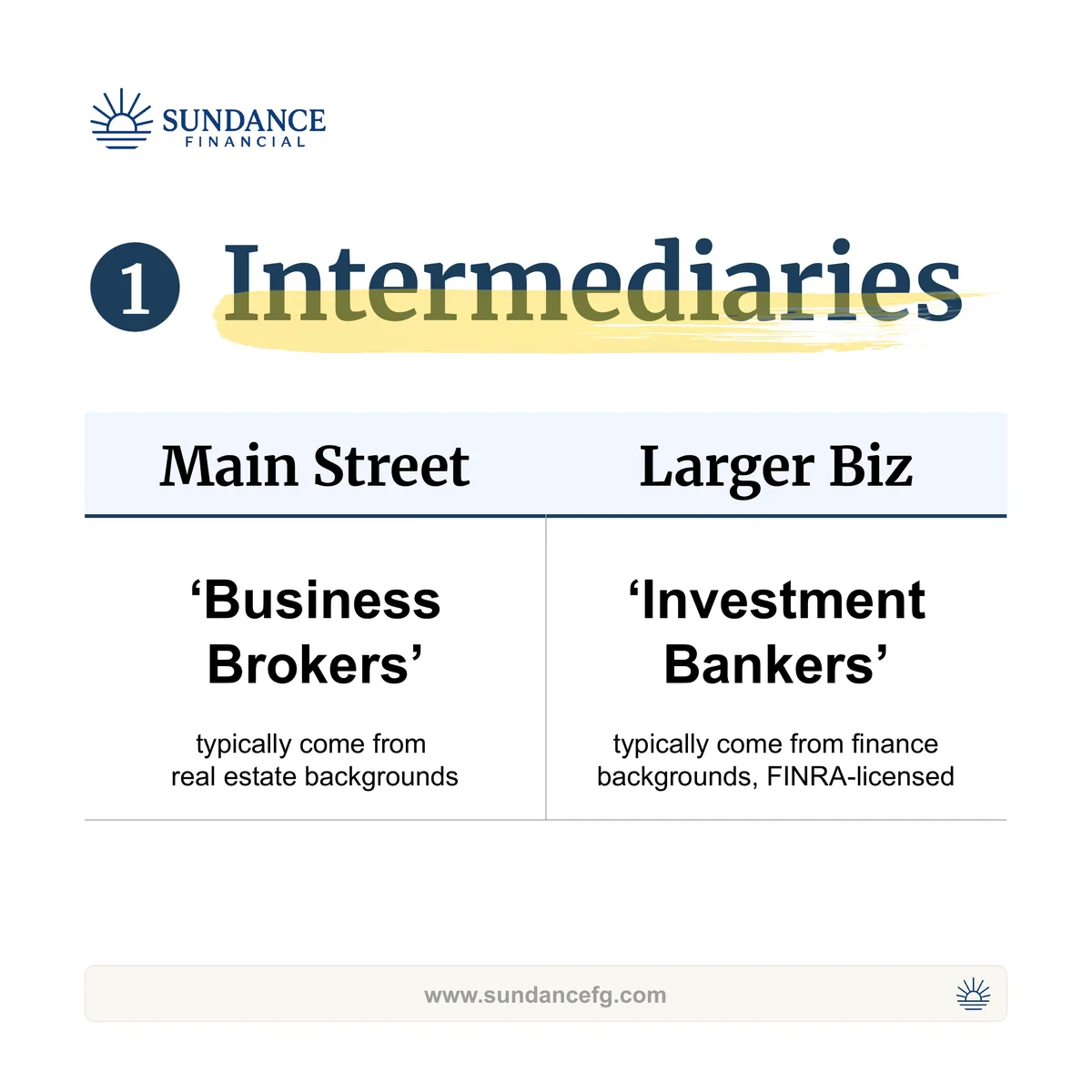
- Intermediaries. Commonly ‘business brokers’ coming from real estate backgrounds (vs ‘investment bankers’ with finance backgrounds, and FINRA-licenses).
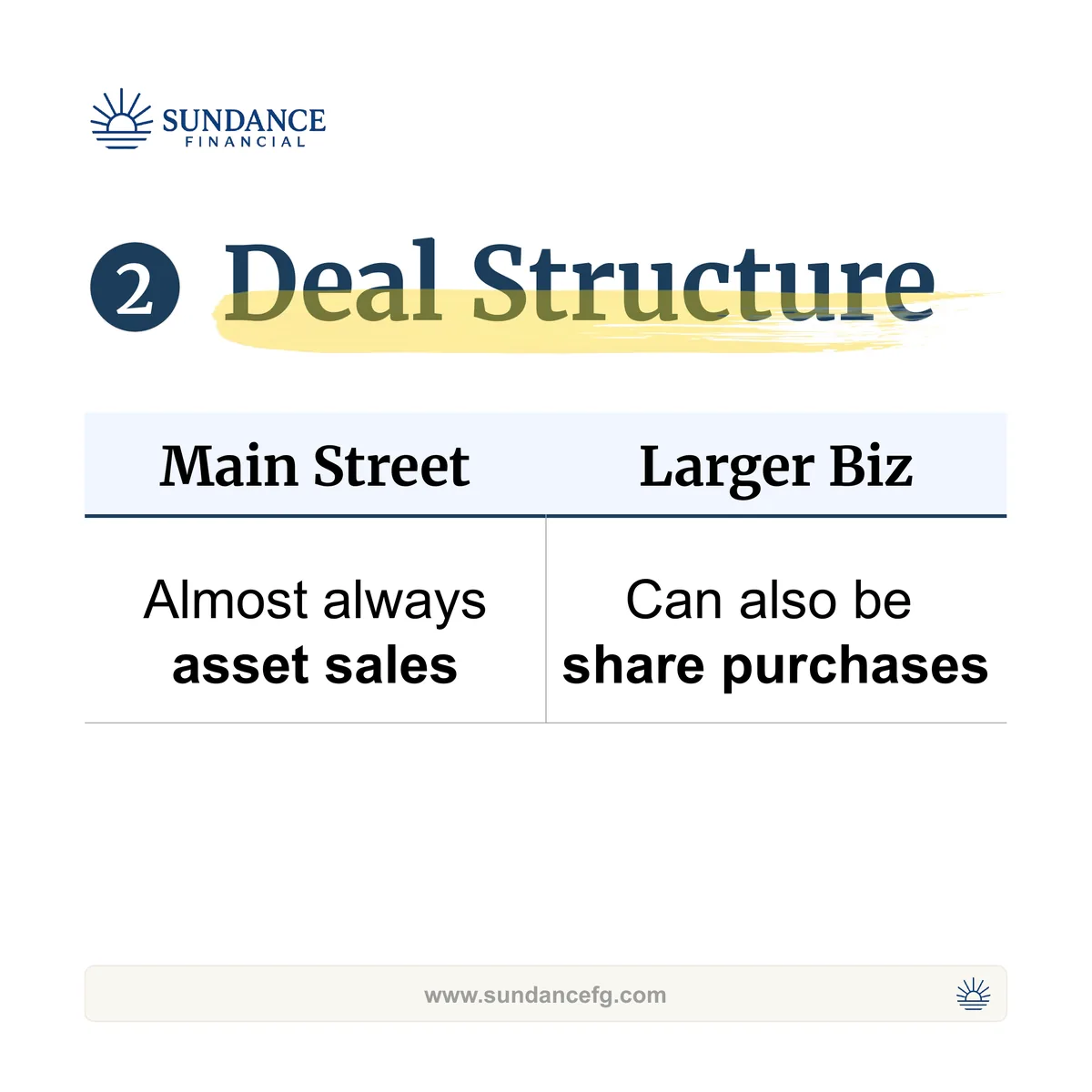
- Deal structure. Almost always structured as asset purchases (vs share purchases).
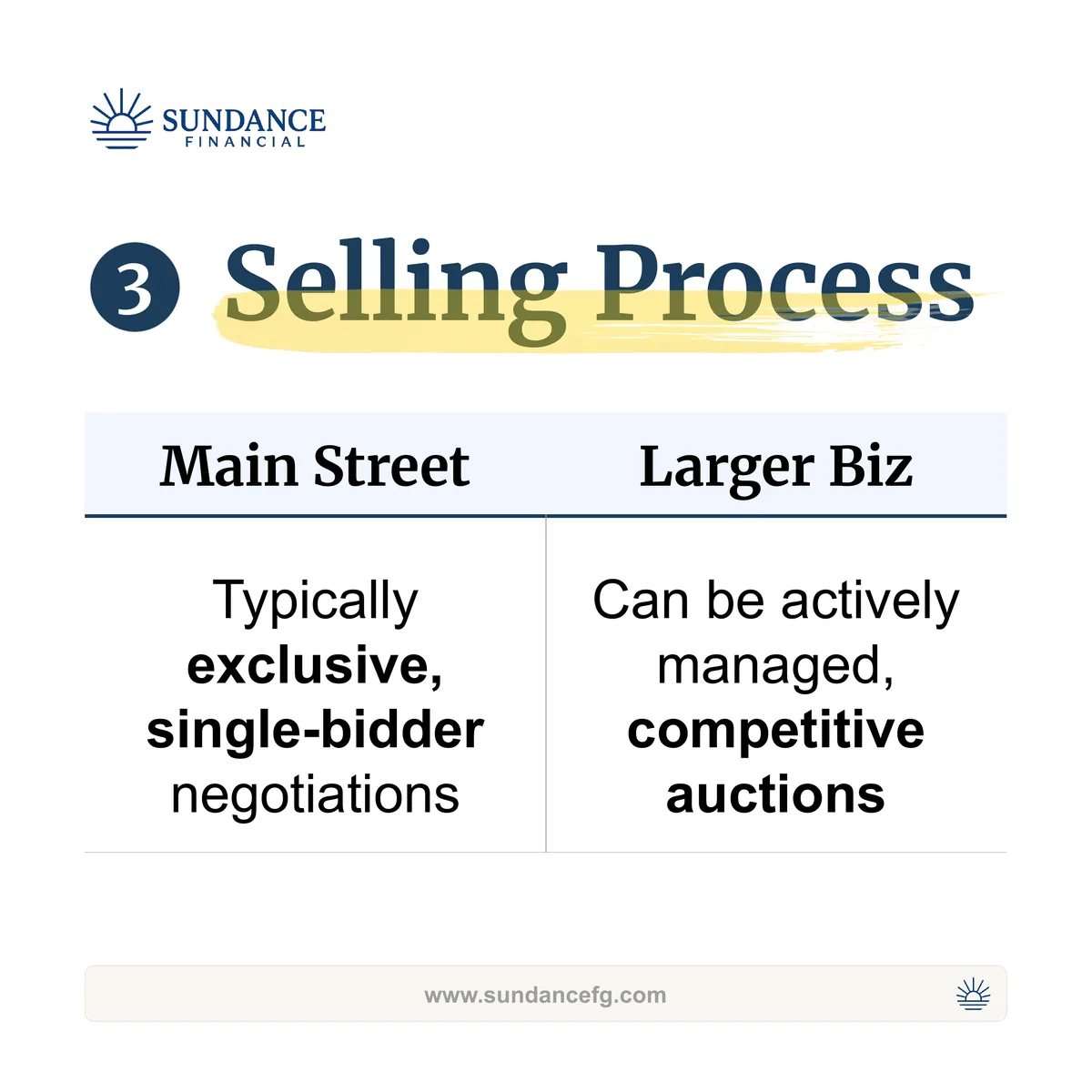
- Selling process. Typically exclusive, single-bidder negotiations (vs actively managed, competitive auctions).
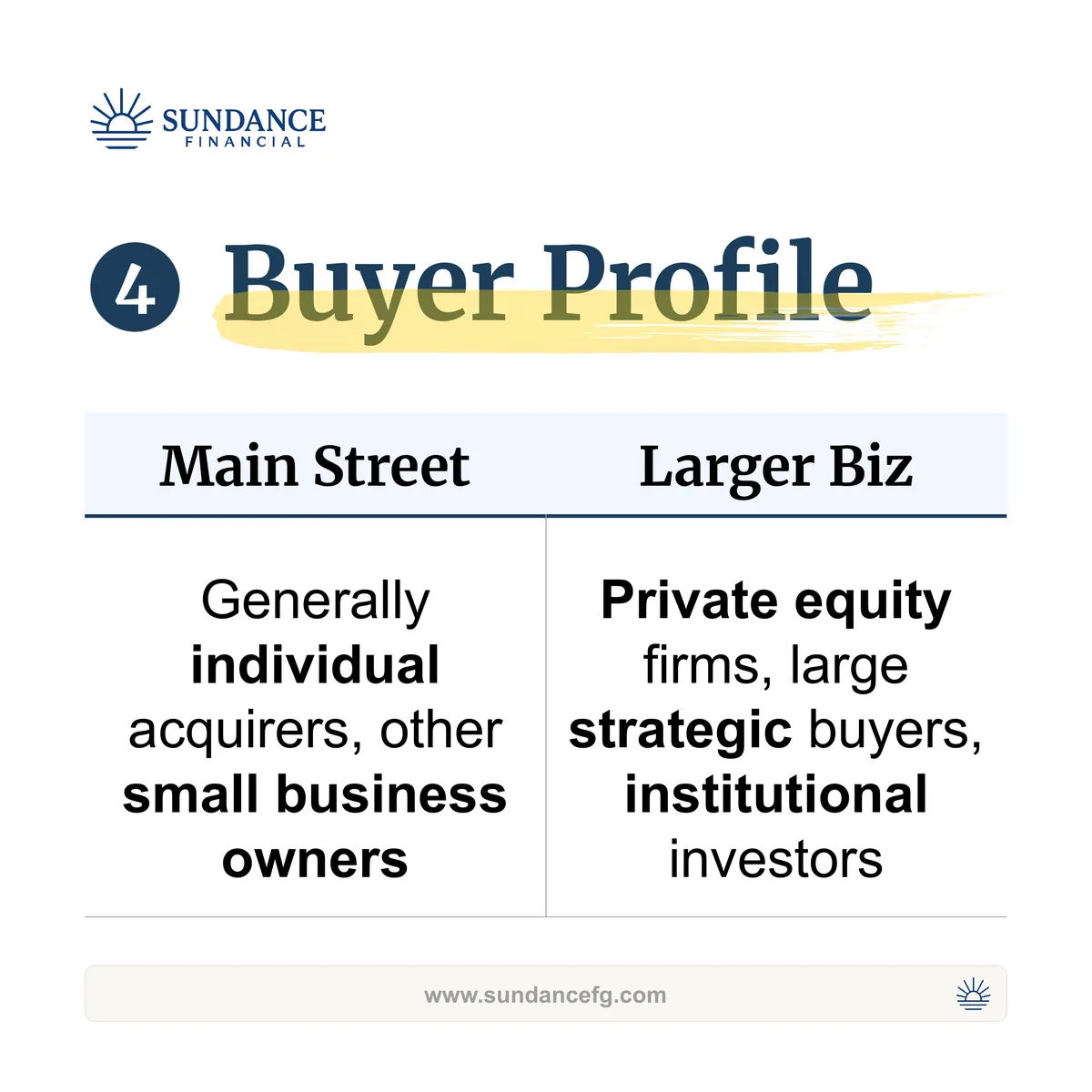
- Buyer profile. Generally individual acquirers, or other small business owners (vs private equity firms, strategic acquirers, and other institutional investors).
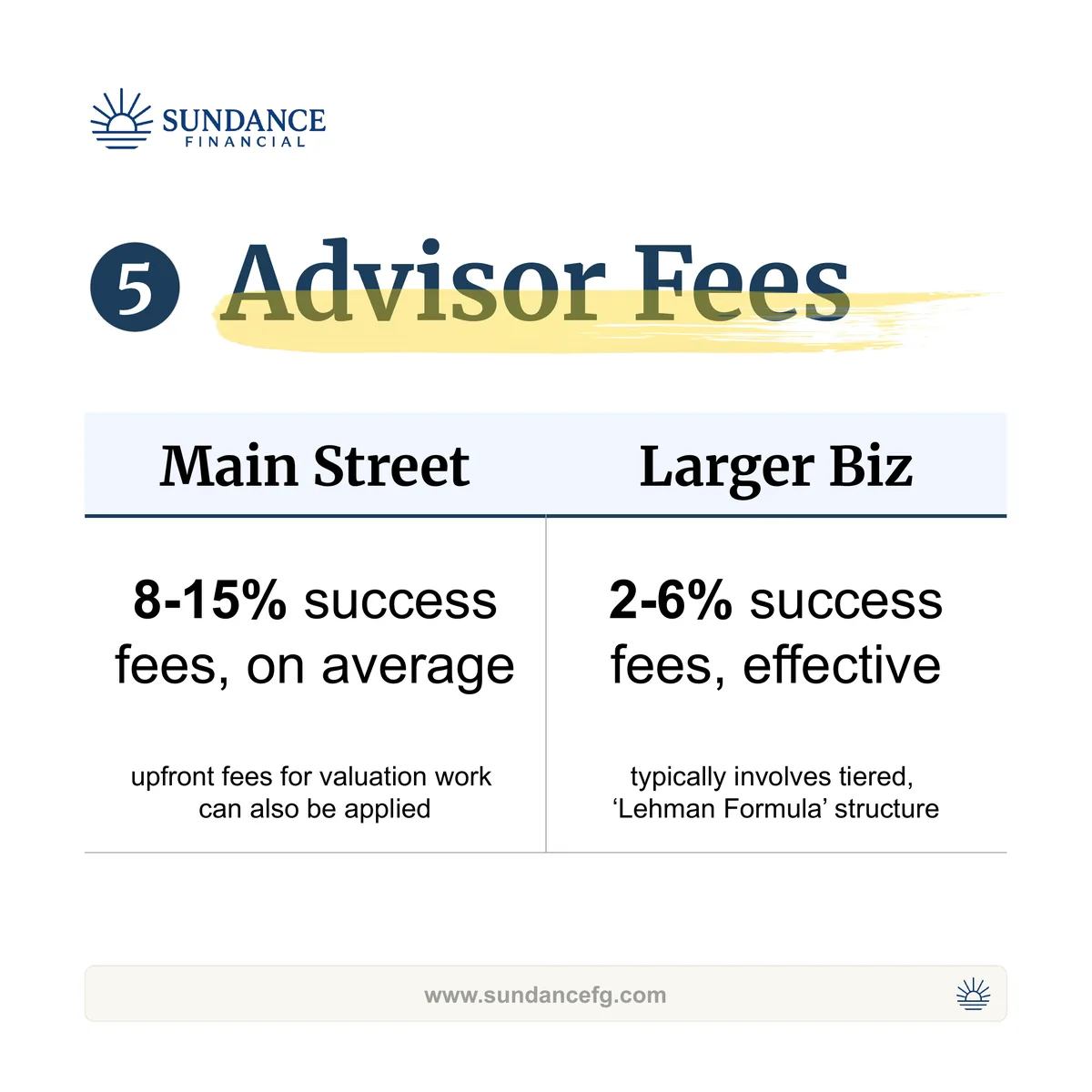
- Fees. Average 8-15% success fee (vs 2-6%, effective).
Understanding these differences can help Main Street business owners know what to expect when selling their business.
Thank you to Rob Rough for sharing some of his thoughts on the selling process.